Cross-boundary Vehicle Service  ·  Macau–Hong Kong Plates
Home › Cross-border Plates

Cross-border Vehicle Plates · Conditions, process and fees, explained

Tired of queuing at the border every day? A Macau–Hong Kong cross-boundary plate (a permit for cross-boundary vehicles) lets your vehicle travel directly between Macau and Hong Kong, and via the Hong Kong–Zhuhai–Macau Bridge (HZMB) it can also connect to Zhuhai and Guangdong. Applications involve several departments — Macau's Transport Bureau, Customs, and the Hong Kong Transport Department — with different quotas and eligibility rules for different vehicles and ports, and highly complex documents and procedures. We handle the whole process, from eligibility assessment and document preparation to submission and follow-up, so you do not have to navigate each department yourself or resubmit papers repeatedly.

Private & commercial vehiclesMacau · Hong Kong · ZhuhaiFull handling & follow-up
You are viewing: Cross-border Plates | Related: Macau Company Formation · LicensingPlate typesEligibilityProcessFeesHZMBCommon pitfallsFAQ
PLATE TYPES

What types of Macau–Hong Kong plates are there?

It is not just one kind — different vehicles, ports and purposes map to different plate categories. Below are the six most common; we can handle all of them.

Plate typeDirectionVehicleMain portSuitable for
ZM / ZN plateMacau ↔ Hong KongPrivate / commercialHZMB, Macau ferry terminalTwo-place commuting, cross-border business
FV plateMainland → Hong KongPrivate / commercialShenzhen Bay, Huanggang, HZMBMainland companies going to Hong Kong
FU plateMainland → Hong KongMainly commercialShenzhen Bay, HuanggangLogistics, cross-border freight
Yue Z (粤Z) plateHong Kong → MainlandPrivate / commercialShenzhen Bay, Huanggang, HZMBHong Kong vehicles entering Guangdong
HZMB plateThree placesPrivate / commercialHZMB portThree-place travel, logistics
Hengqin single-plate carMacau → HengqinPrivate carHengqin portMacau car owners entering Hengqin

The above are common types. The actual categories, quotas and requirements available are adjusted according to current policy; we assess the most suitable path for your vehicle and intended use.

ELIGIBILITY

Eligibility — which vehicles and which applicants qualify

A cross-boundary plate is not "buy a car and you get one." Different vehicles and ports carry different quota and eligibility rules. The general conditions are set out below.

🚗

Eligible vehicle

The vehicle must meet the safety and technical standards of both places, with registration and ownership documents ready. Left- or right-hand drive is acceptable depending on the destination's requirements.

🆔

Owner / company eligibility

Owner identity and proof of address; for a company car, commercial registration and an authorisation document. Some plate categories must be applied for in a company's name.

🚦

Corresponding quota

The applicable quota category is matched by vehicle and port. Quotas are limited each year; at application you must confirm that the category for that port is open.

📑

Document authenticity

Documents issued overseas generally need notarisation and authentication. Macau, Hong Kong or Mainland documents each need their corresponding certification; we guide you item by item.

Common vehicle comparison

VehicleCommon useMain requirementSuitable for
Private carCommute, two-place livingCorresponding private-car quota, owner eligibilityPeople travelling between the two places
Goods vehicleCross-border logistics, deliveryCommercial vehicle quota, company documentsTrading, logistics companies
Passenger vehicleCross-border transfer, staff commuteCommercial vehicle quota, operating eligibilityTourism, enterprises
Bridge port vehicleThree-place travel via HZMBBridge-specific quotaThose needing to connect to Guangdong

The above is the general situation. The actual quota categories, quotas and requirements are subject to the current rules of the competent authorities of both places. We will assess again based on your vehicle and intended use.

PROCESS

Application process — step by step, from assessment to collection

Macau–Hong Kong plates involve departments in both Macau and Hong Kong, and some go through Guangdong bodies; the procedure has a clear order. We break the whole process into the steps below and handle and follow up on all of them.

Preparation before applying

Confirm vehicle & use

Private or commercial, daily commute or logistics delivery — this determines the quota category and the documents needed.

Choose the port

Via the traditional port or the HZMB port — this affects the application path and requirements.

Prepare vehicle documents

Vehicle registration, ownership, technical data and so on.

Prepare owner / company documents

Identity and proof of address; for a company car, commercial registration and an authorisation document.

Five-step process

1

Eligibility & quota assessment

Understand the vehicle, use and port needs, and assess the quota categories available and the conditions required. This step sets the direction of the whole application.

About 1 – 2 working days
2

Document preparation

We list the documents needed for the vehicle, owner and company (where applicable), and help with notarisation and authentication — the most common stumbling block — before submission.

About 1 – 3 weeks
3

Submission to departments

Applications are filed with the relevant Macau and Hong Kong departments, with the Guangdong part handled in parallel where needed, and followed up throughout. We take care of communication between the multiple departments.

Per processing schedule
4

Inspection & approval

Vehicle inspection is arranged as required by the departments, approval progress is tracked and supplementary documents are handled. Inspection needs an appointment, which we schedule for you.

Per department
5

Collection & handover

The plate is collected, the full set of documents handed over, and validity, renewal and usage notes explained.

After approval
FEES

Fees — government fees and service fee, kept clearly separate

A cross-boundary plate fee mainly has three parts: government fees, quota-related costs and our agency service fee. We understand your situation first, then give a written quote with each item listed separately — no hidden charges.

Fee composition

  • Government fees: paid to the departments of both places, reimbursed at cost, paid on your behalf with receipts provided
  • Quota-related costs: where applicable, by quota category
  • Agency service fee: our professional fee, by scope
  • The three are listed separately and executed per the written agreement after confirmation

Our principles

  • Assess before quote: understand vehicle, quota, port and scope, then give a written firm price
  • Transparent government fees: at the departments' standard rates, paid on your behalf with receipts
  • Fixed service fee: executed per the agreement once the quote is confirmed, no mid-way increase
  • No hidden charges
Fee itemNatureNote
Government feesReimbursed at costAt the departments' standard rates, paid on your behalf with receipts
Quota-related costsBy categoryWhere applicable, by quota category
Agency service feeBy scopeBy vehicle, port and service scope, confirmed in writing

The table above explains the fee structure, not a fixed quote. The actual amount is subject to the written quote; we list every item for your case.

HZMB

The Hong Kong–Zhuhai–Macau Bridge — one plate, three places

Since the HZMB opened, a cross-boundary plate via the bridge port can link Macau, Hong Kong and Zhuhai (Guangdong) in one go. It is especially convenient for business people and logistics operators who travel across all three places.
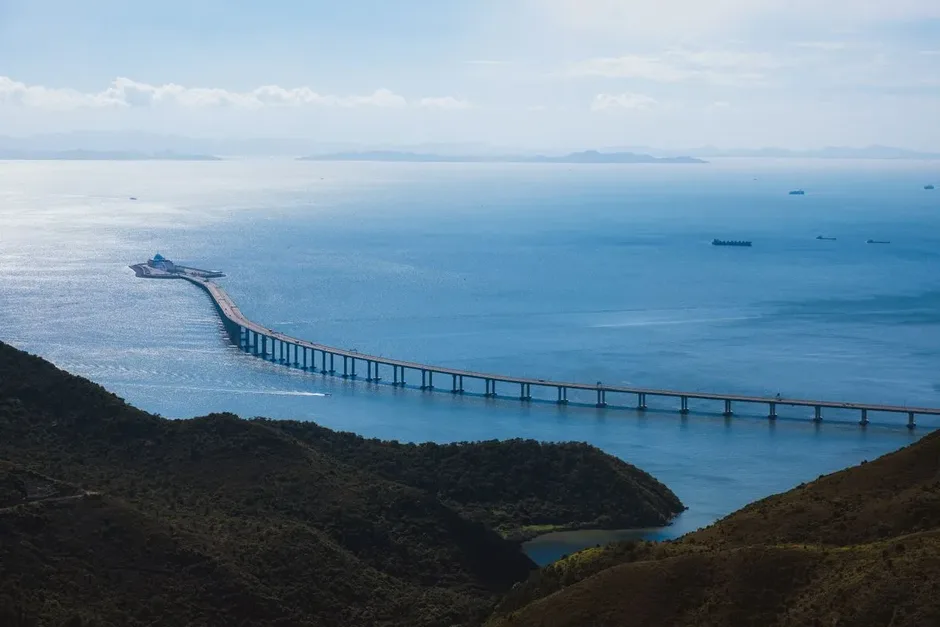
Hong Kong-Zhuhai-Macau Bridge panorama connecting Macau, Hong Kong and Zhuhai
🏗️

Three-place business

Macau company, Hong Kong financing, Guangdong factory — one plate for three places. Compared with the traditional Macau–Hong Kong route, the bridge route connects directly into the Zhuhai and Guangdong road networks.

📦

Cross-border logistics

Delivery via the bridge is faster than a detour; we handle the freight quota. Suited to logistics companies that need to move goods between two or three places.

🚗

Two-place commute

Live in Macau and work in Hong Kong, or the reverse — the bridge takes you there directly and saves time. Driving yourself is the most flexible if you no longer want to queue for the ferry or flights.

🌉

To Guangdong via the bridge

A bridge port plate connects Zhuhai and Guangdong business, realising "Macau → Hong Kong → Zhuhai" three-place travel on one plate.

The HZMB has a dedicated cross-boundary port; vehicles holding a bridge-specific plate can travel between the three places via the port. The application also involves the departments of both places, some through Guangdong bodies. We handle the whole process — from quota assessment and document preparation to submission, follow-up, inspection and plate collection.

COMMON PITFALLS

Common pitfalls — the traps most people hit when applying

Think buying a car means getting a plate

Cross-boundary plates are quota-limited; it is not "have a car, have a plate." Port quotas are limited each year, and some categories are balloted. We assess whether you have an available quota before advising you to buy a vehicle.

Running the departments yourself

Cross-boundary plates involve Macau's Transport Bureau, Customs and the Hong Kong Transport Department, and some go through the Guangdong Provincial Public Security Department. Each department has different requirements and forms; get the order wrong and you may have to start over. Leave it with us to handle in one go.

Ignoring notarisation & authentication

Documents issued overseas (company registration certificates, powers of attorney) generally need notarisation and authentication before they are accepted. Missing this step is the most common reason for resubmission.

Forgetting renewal

Plates have a validity period and must be renewed before expiry; some quotas also involve an annual review. Letting it lapse can affect your crossings at best, or cancel the quota at worst. We proactively remind you and handle renewal.

Choosing the wrong port

Different ports have different quotas and requirements. Applying at a port whose quota is full only wastes time. We help you assess the most workable port.

MACAU vs HONG KONG

Macau car to Hong Kong vs Hong Kong car to Macau

The two directions have different eligibility and procedures — often mixed up. Know your direction first, then treat it accordingly.

01

Macau car to Hong Kong

Via the HZMB port, under the bridge cross-boundary private-car quota; Macau-side eligibility applies.

02

Hong Kong car to Macau

Same bridge, but quota and requirements are counted separately — not the same permit.

03

Dual permits

Involves a Macau exit plate plus a Hong Kong entry permit — not one card fits all.

04

Vehicle & documents

Left / right-hand drive, insurance and driving documents each have requirements to align first.

FAQ

Common questions about Macau–Hong Kong cross-boundary plates

What is a Macau–Hong Kong cross-border plate?

A Macau–Hong Kong cross-boundary plate is a permit that lets a vehicle travel between Macau and Hong Kong. Depending on the port (including the Hong Kong–Zhuhai–Macau Bridge) and the vehicle's purpose, different quota categories and application requirements apply. With the HZMB, the plate can also connect to Zhuhai and Guangdong, enabling travel across all three places.

What vehicles can apply for a Macau–Hong Kong cross-boundary plate?

Private cars and commercial vehicles (goods and passenger) can apply under the corresponding quota category. Different vehicle types and ports have different quota and eligibility requirements; we assess the most suitable path for your vehicle and intended use.

How long does the application take?

From a few weeks to a few months, depending on the vehicle type, quota category, completeness of documents and the processing schedules of the departments. We give you a realistic timeline when we take on the case and follow up throughout.

How are the fees calculated?

The fee has three parts: government fees (reimbursed at the standard rates of both jurisdictions), quota-related costs (where applicable) and our agency service fee. We first understand your vehicle, port and needs, then provide a written quote with each item listed separately.

What is special about an HZMB port plate?

The HZMB has a dedicated cross-boundary port. Vehicles holding an HZMB-specific plate can travel between Macau, Hong Kong and Zhuhai via the port. Compared with the traditional Macau–Hong Kong route, the bridge route connects directly into the Zhuhai and Guangdong road networks.

Can I engage an agent to handle the application?

Cross-boundary plates involve the authorities of both Macau and Hong Kong, and some also go through Guangdong bodies; the documents and quota rules are complex. We provide full handling — from eligibility assessment and document preparation to submission and follow-up — end to end.

How are validity and renewal arranged?

Cross-boundary plates generally have a validity period and must be renewed before expiry; some quotas also involve an annual review. We provide renewal reminders and handling so the permit does not lapse and affect your crossings.

Can an individual apply?

Applications are generally made in a company's name; certain categories or special-status individuals can be assessed separately. We analyse the most workable application path for your specific situation.

Service fee — Depends on the vehicle type, quota category, ports involved and the scope of handling. We understand your situation first, then provide a written quote with government fees and our service fee listed separately.
WhatsApp QR Code +853 66171832

WhatsApp / Phone / WeChat — Contact Us Anytime

Tel/WhatsApp:+853 66171832
WeChat:00853 66171832
Initial consultation and quote are free.

💬 Enquire now
WhatsApp QR Code +853 66171832

Phone / WhatsApp

Tel:+853 66171832

WhatsApp:+853 66171832

WeChat: 00853 66171832

Free initial consultation

💬 WhatsApp